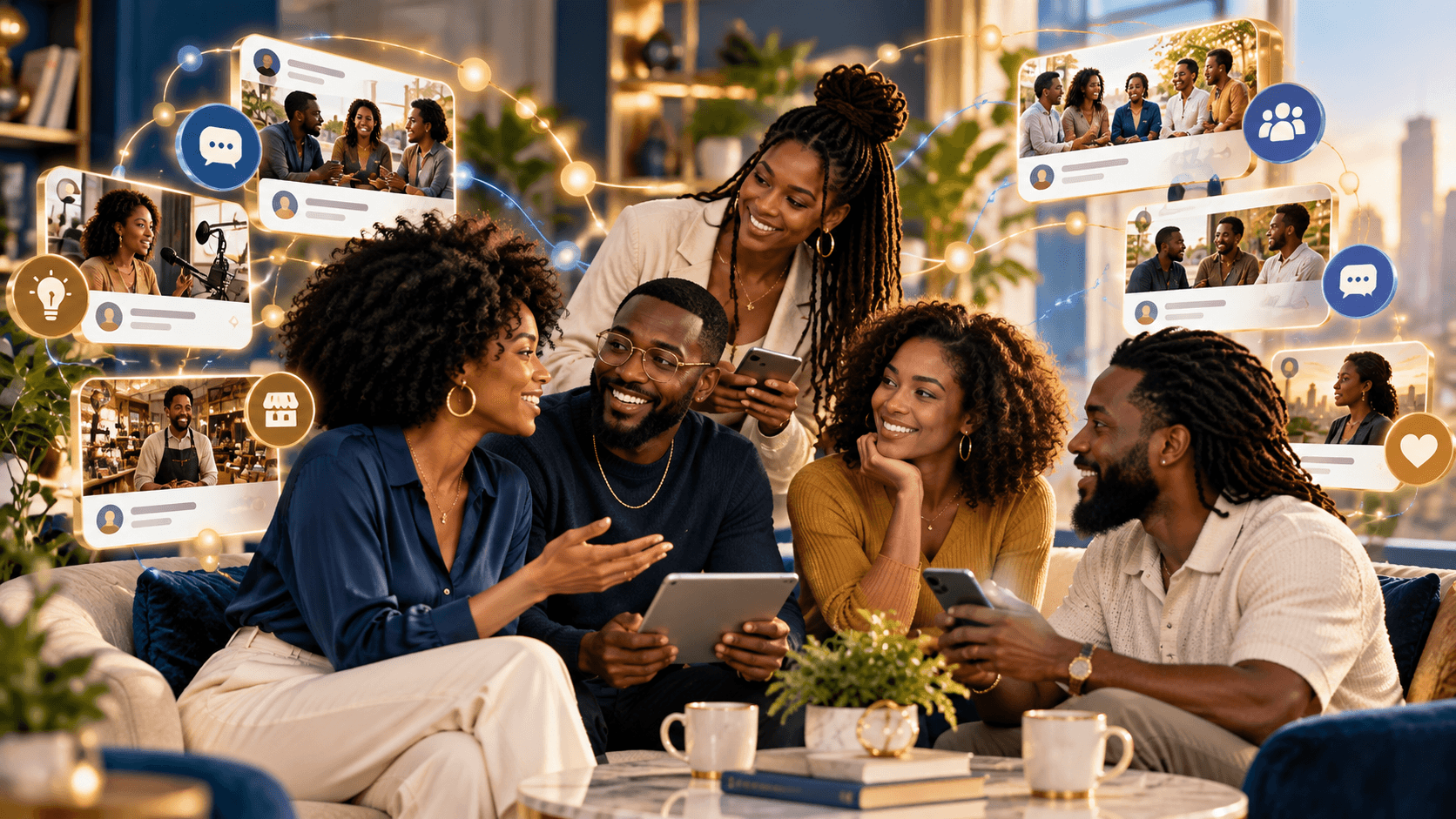
What Should a Black-Centered Social Media Platform Actually Offer?
A Black-centered social platform should offer more than branding. Here are the product, community, business, safety, and discovery features that can make it genuinely useful.
 Join ECCOOZS
ECCOOZS JOURNAL
Practical guides and perspectives on social media, community, business discovery, creators, culture, and the future of online connection.
TOPIC
A Black-centered social platform should offer more than branding. Here are the product, community, business, safety, and discovery features that can make it genuinely useful.
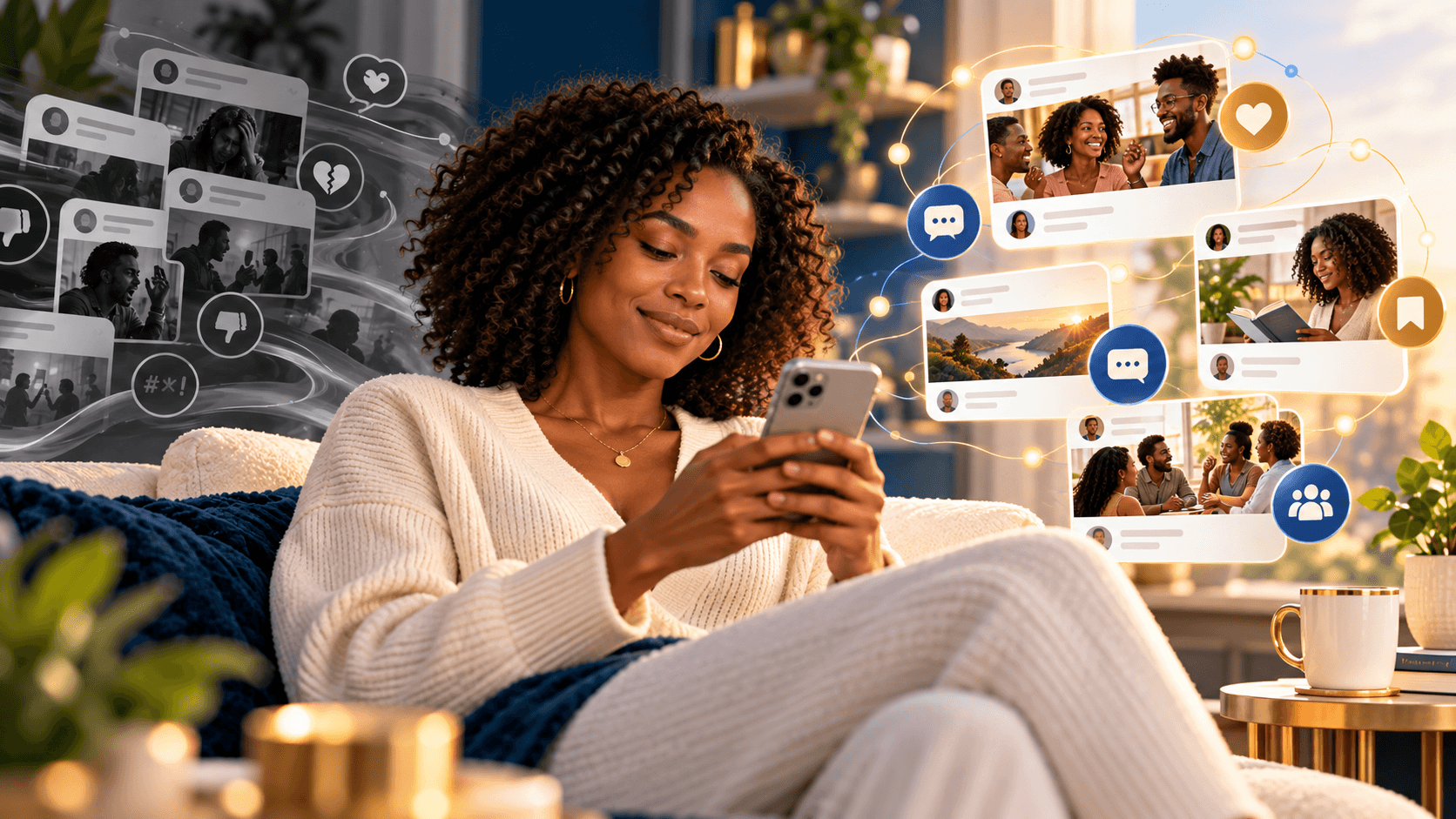
How platform incentives, moderation systems, discovery rules, and conversation design can reduce toxic engagement without making social interaction dull.
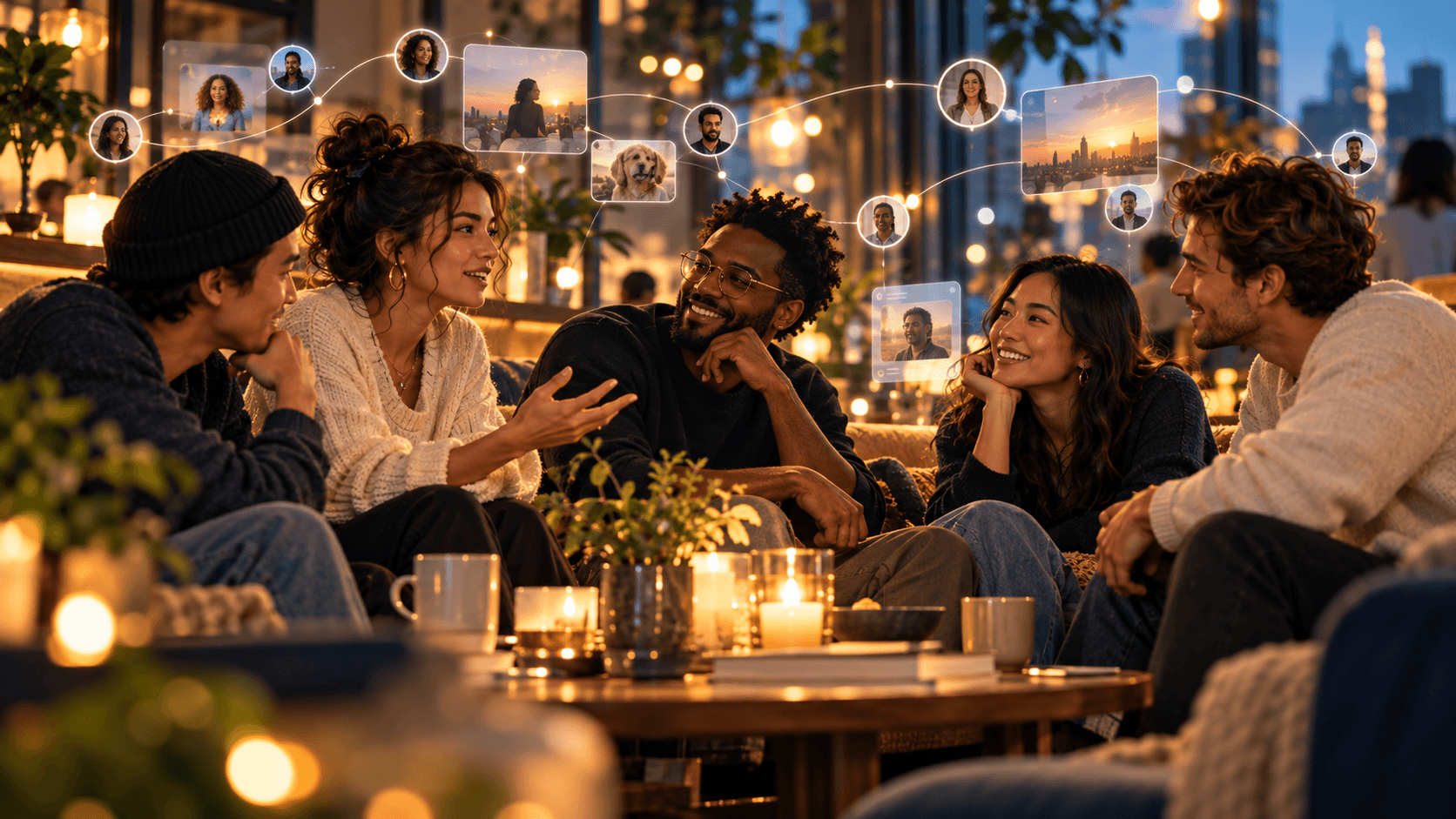
Bigger social networks offer scale, but many users are looking for smaller communities that feel more focused, trustworthy, relevant, and human.
Facebook Groups are familiar, but a group inside a giant social network is not the same thing as a platform built around community. Here are the practical differences.

Online safety is not only about removing the worst behavior. Clear norms, consistent moderation, product design, trust, and member expectations all shape how safe a community feels.
A culture-focused look at how humor, sports talk, debate, creativity, personality, and everyday social energy can stay lively without making outrage the center of the experience.
Facebook Groups remain useful, but many members and community leaders say the experience feels less focused than it once did. Here are some reasons why.
If your group needs more focus, ownership, conversation, or member engagement, there are several families of Facebook Group alternatives worth understanding.
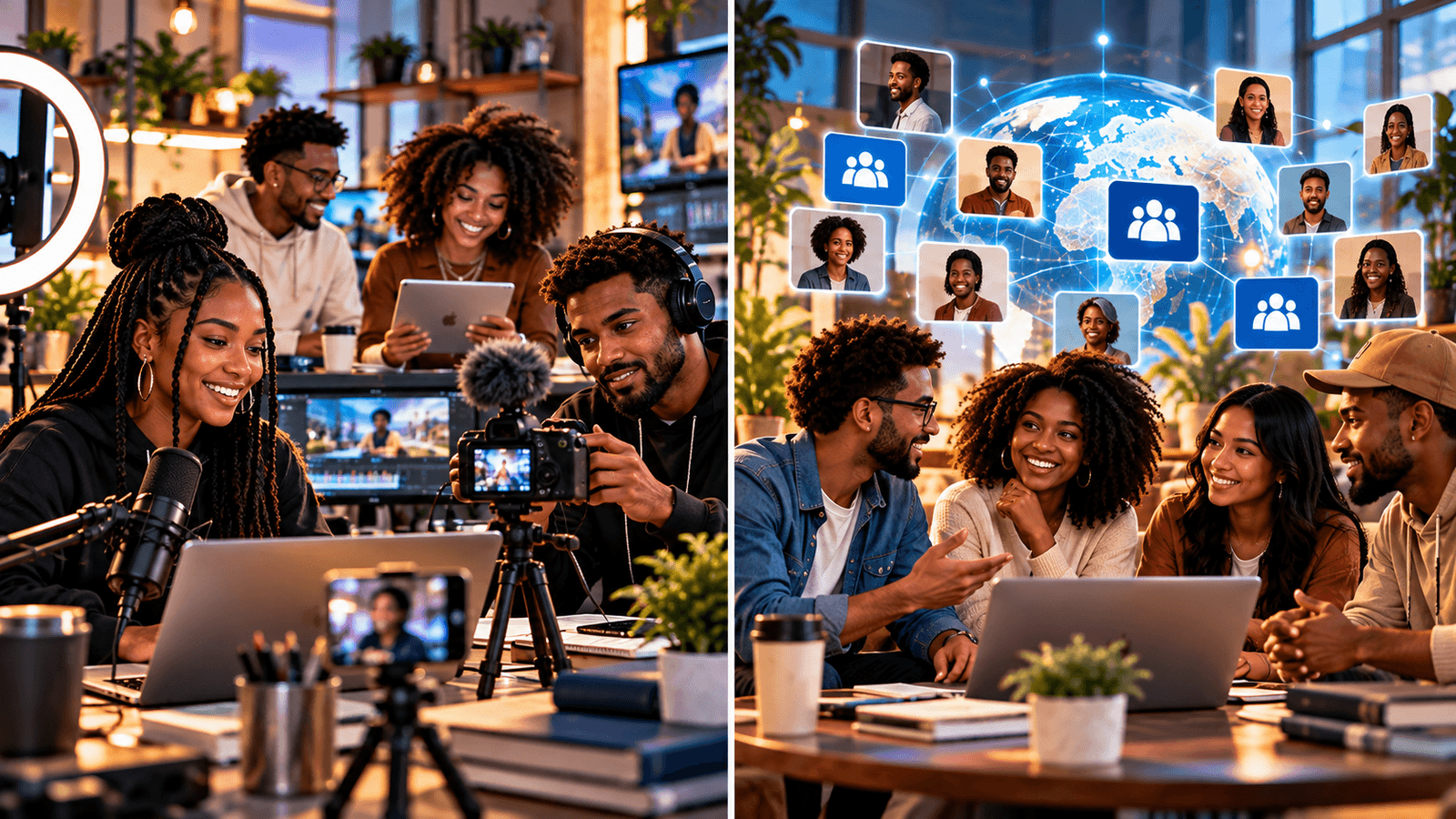
A community-first social network organizes product decisions around belonging, conversation, discovery, standards, and participation rather than treating community as one feature in a content feed.

Women are building online communities across social networks, private groups, creator platforms, professional spaces, and niche communities. The strongest spaces serve a clear purpose.
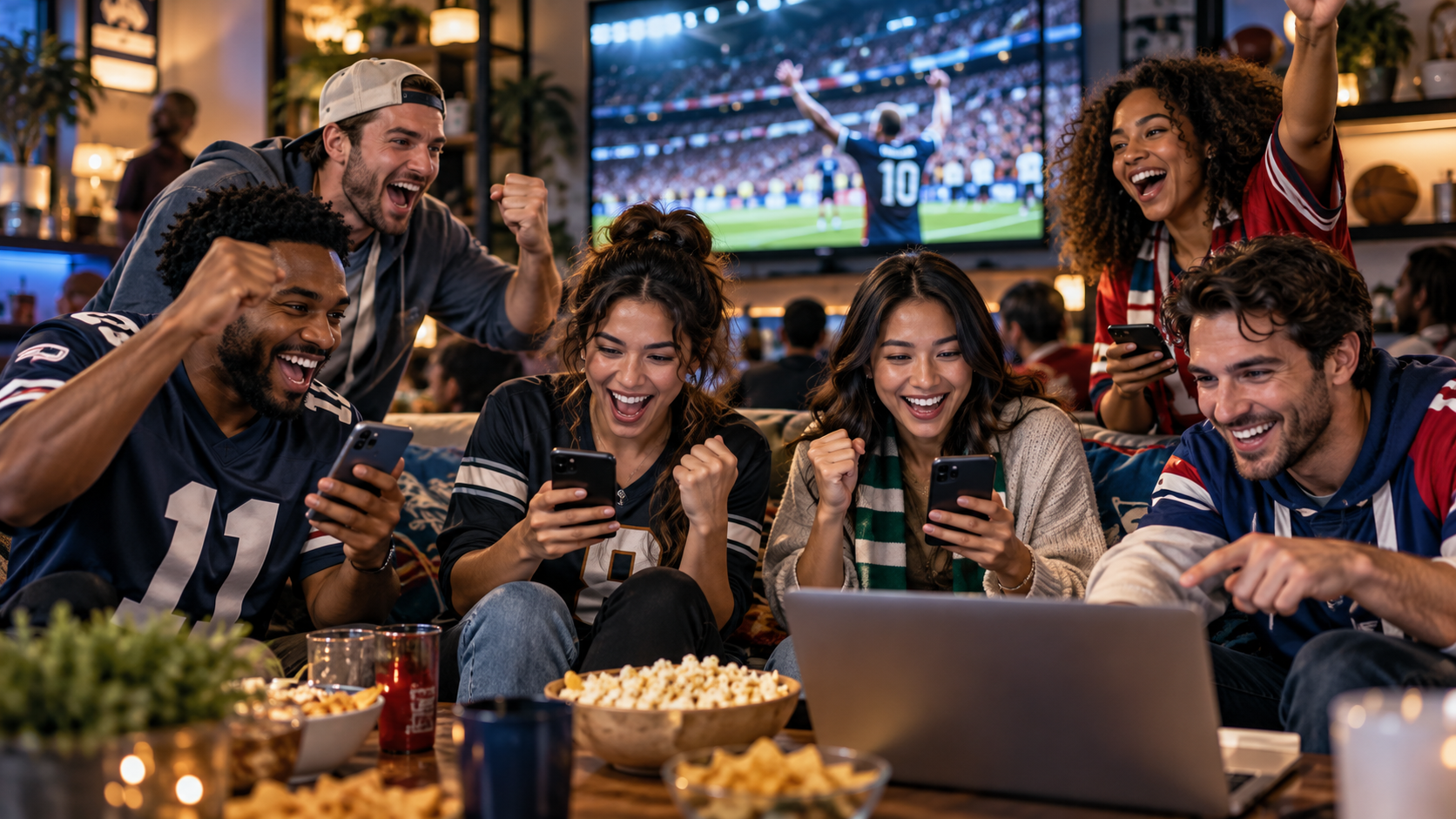
Sports communities need live conversation, recurring engagement, media sharing, identity, and moderation. Here is what to look for when choosing a platform for fans and teams.
TOPIC
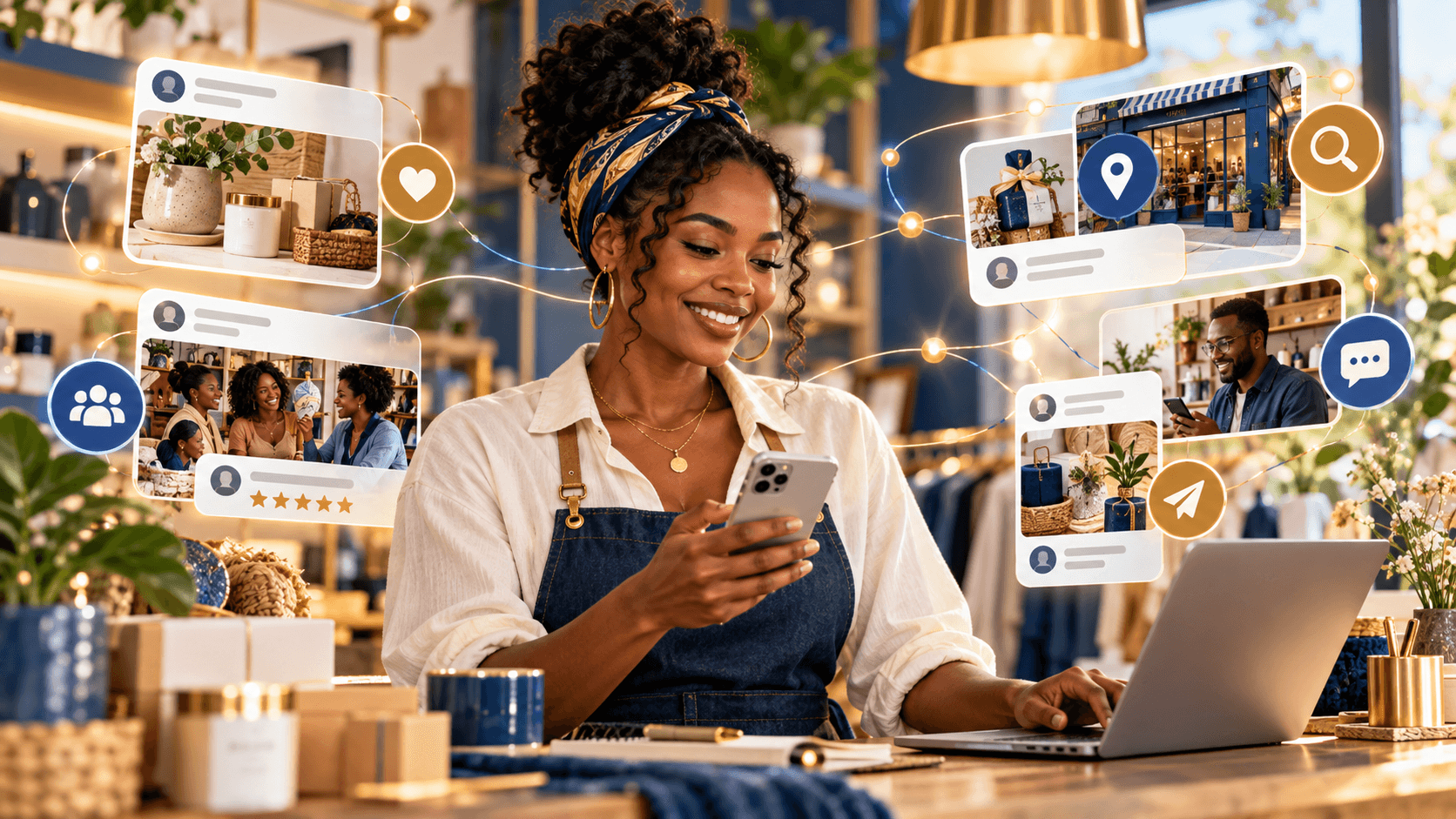
Compare the main places a small business can promote itself online beyond major social feeds, including search, directories, community platforms, email, partnerships, and emerging networks.
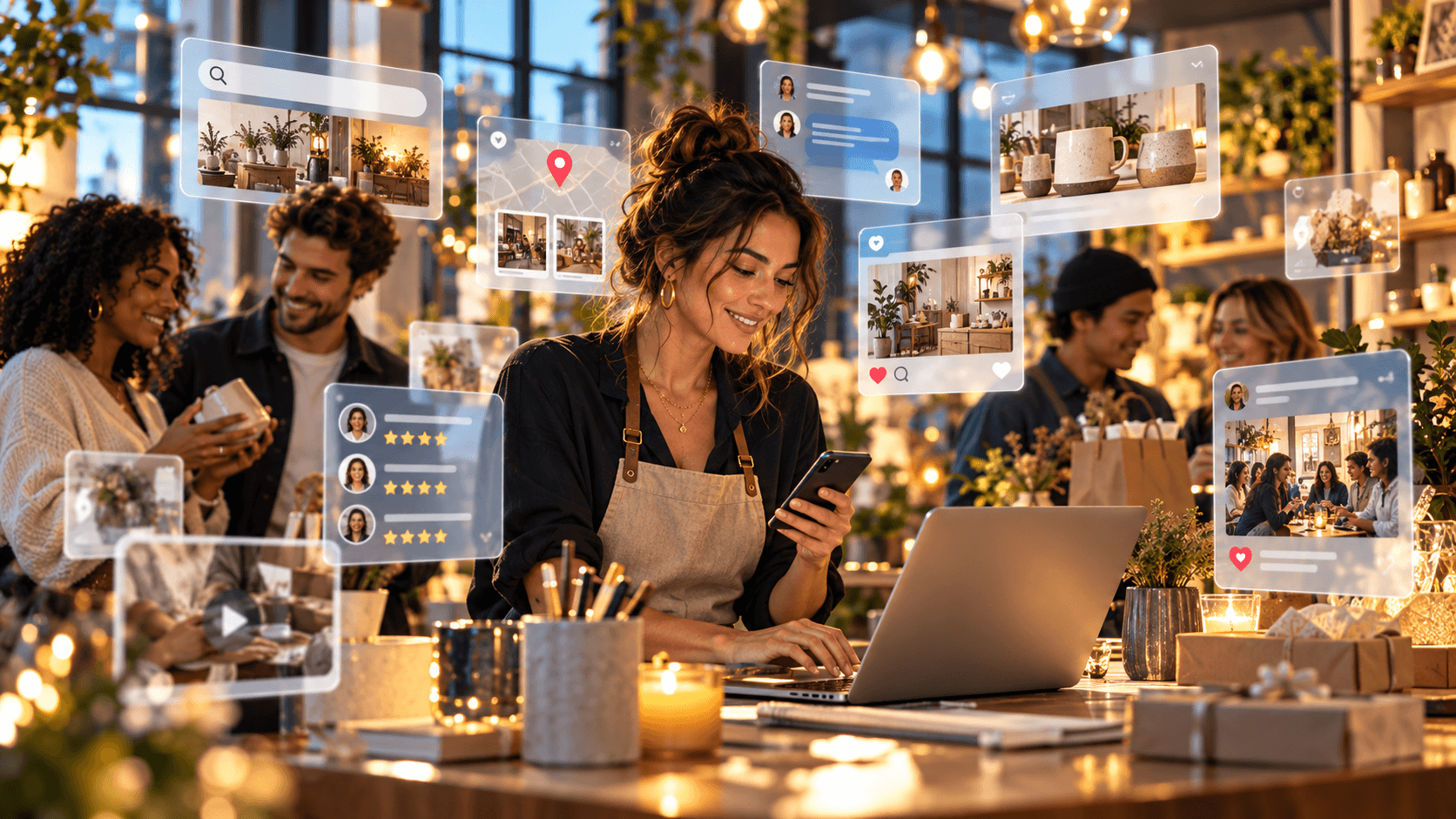
Build a practical small-business promotion system for 2026 by combining search, content, directories, email, referrals, community, and repeat customer visibility.
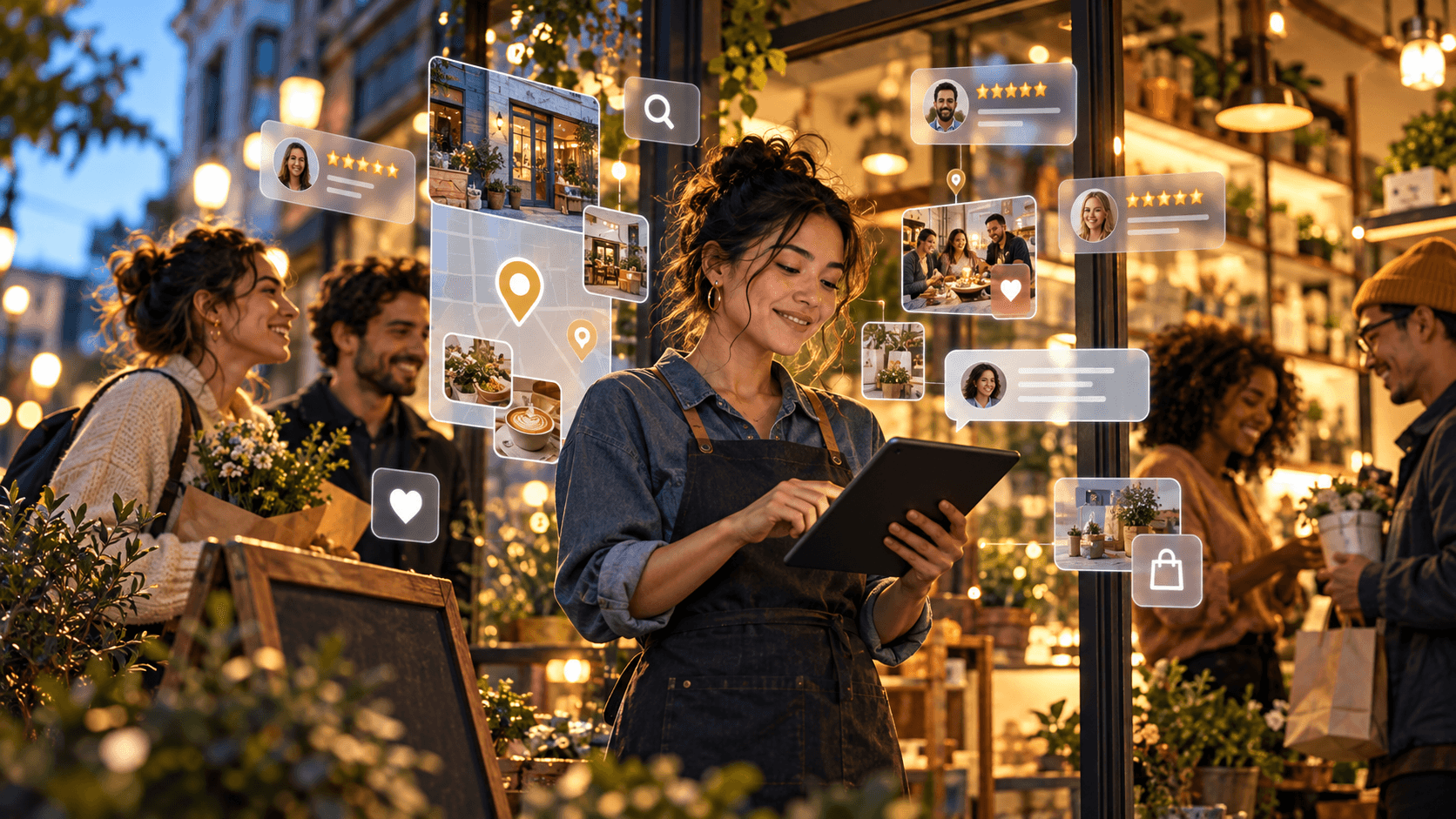
Small businesses are usually discovered through repeated exposure, search, directories, recommendations, reviews, and community trust rather than a single viral moment.
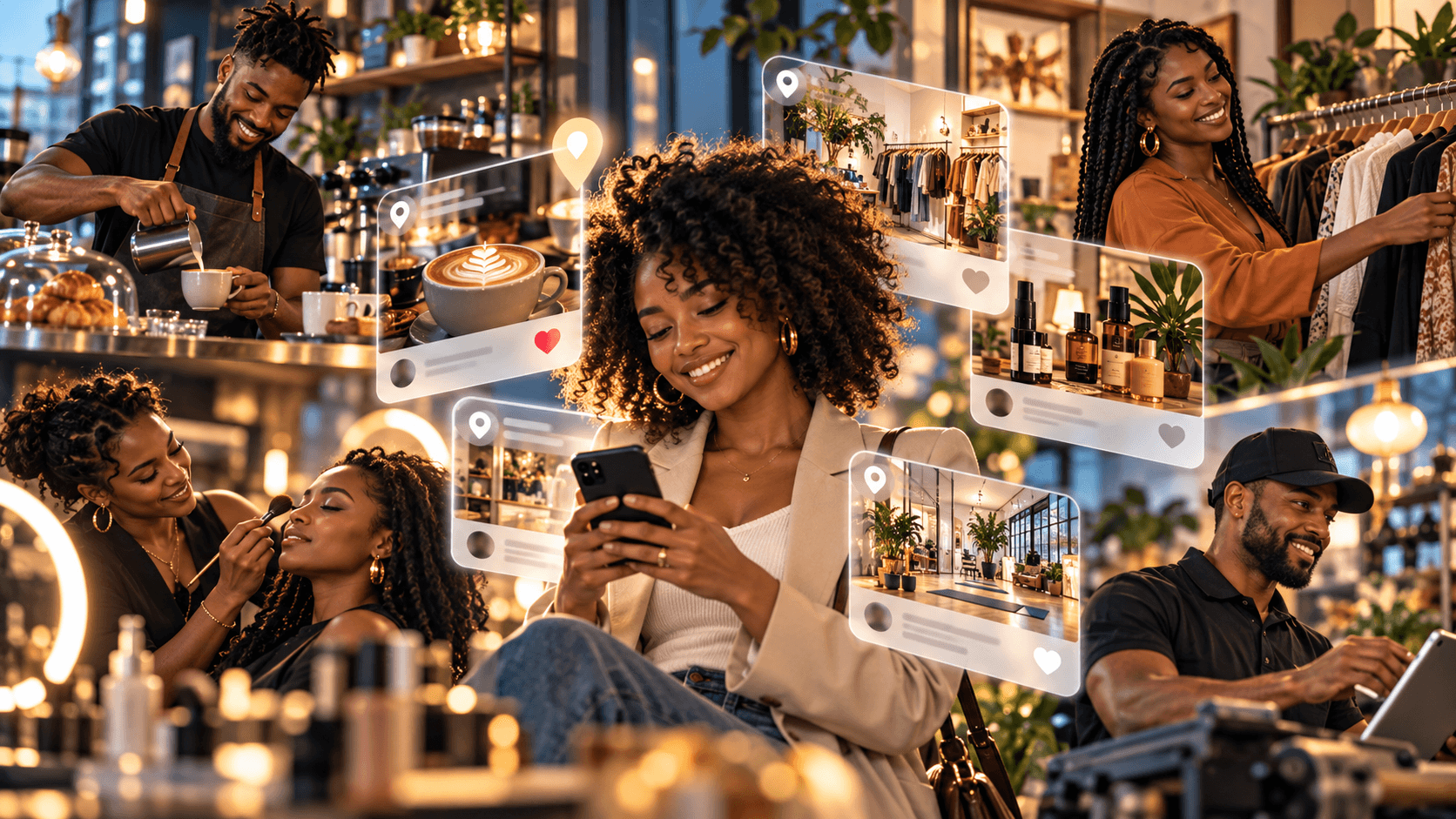
Consumers increasingly want to support Black-owned businesses, but discovery is still fragmented. Here are the online channels that can make finding them easier.
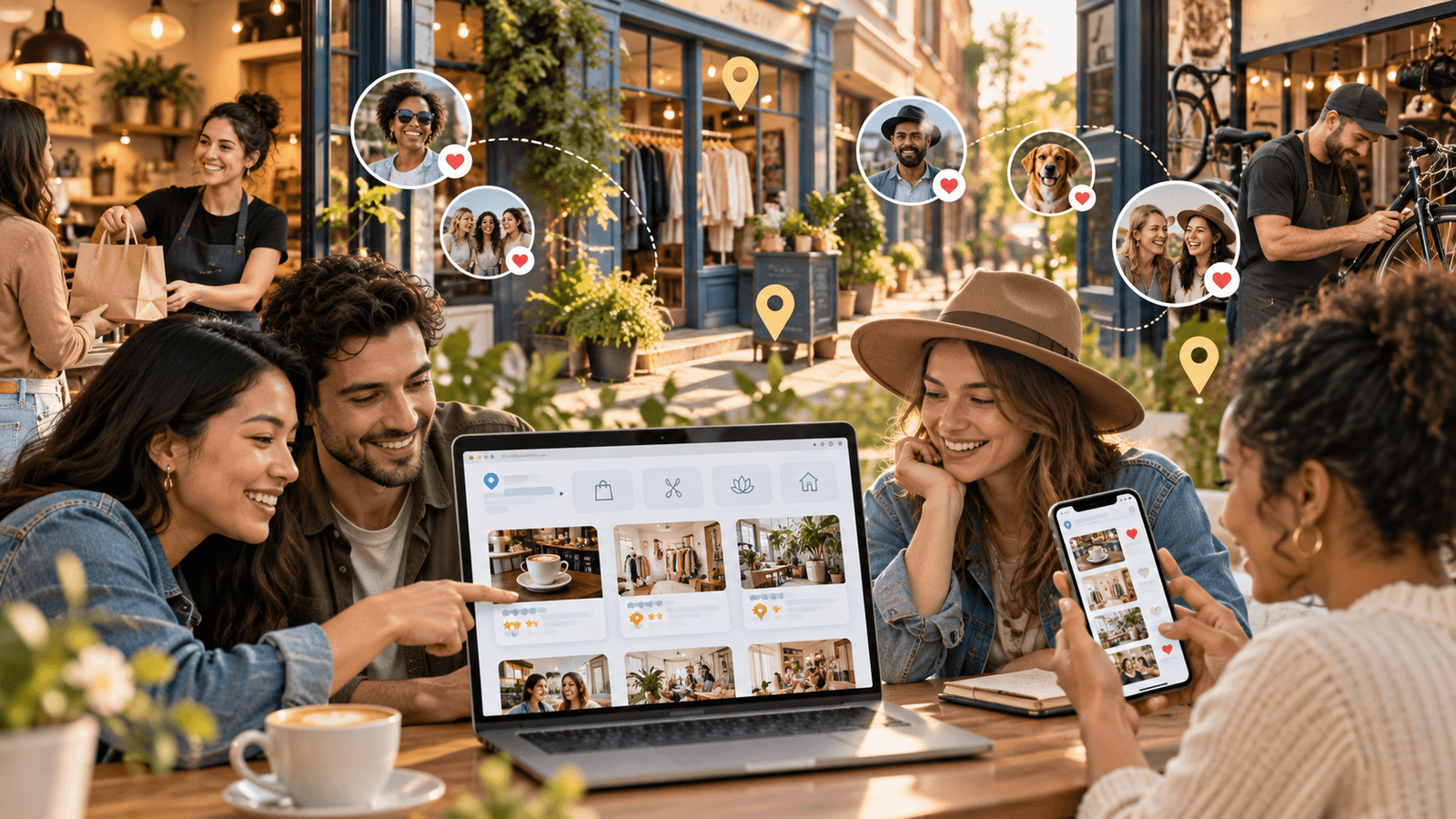
Feeds are good at exposure. Directories are good at intent. Here is why structured business discovery still matters even when customers spend hours on social platforms.

Women-owned small businesses do not need to post constantly to be memorable. Here are practical ways to build visibility, trust, community, and repeat discovery online.
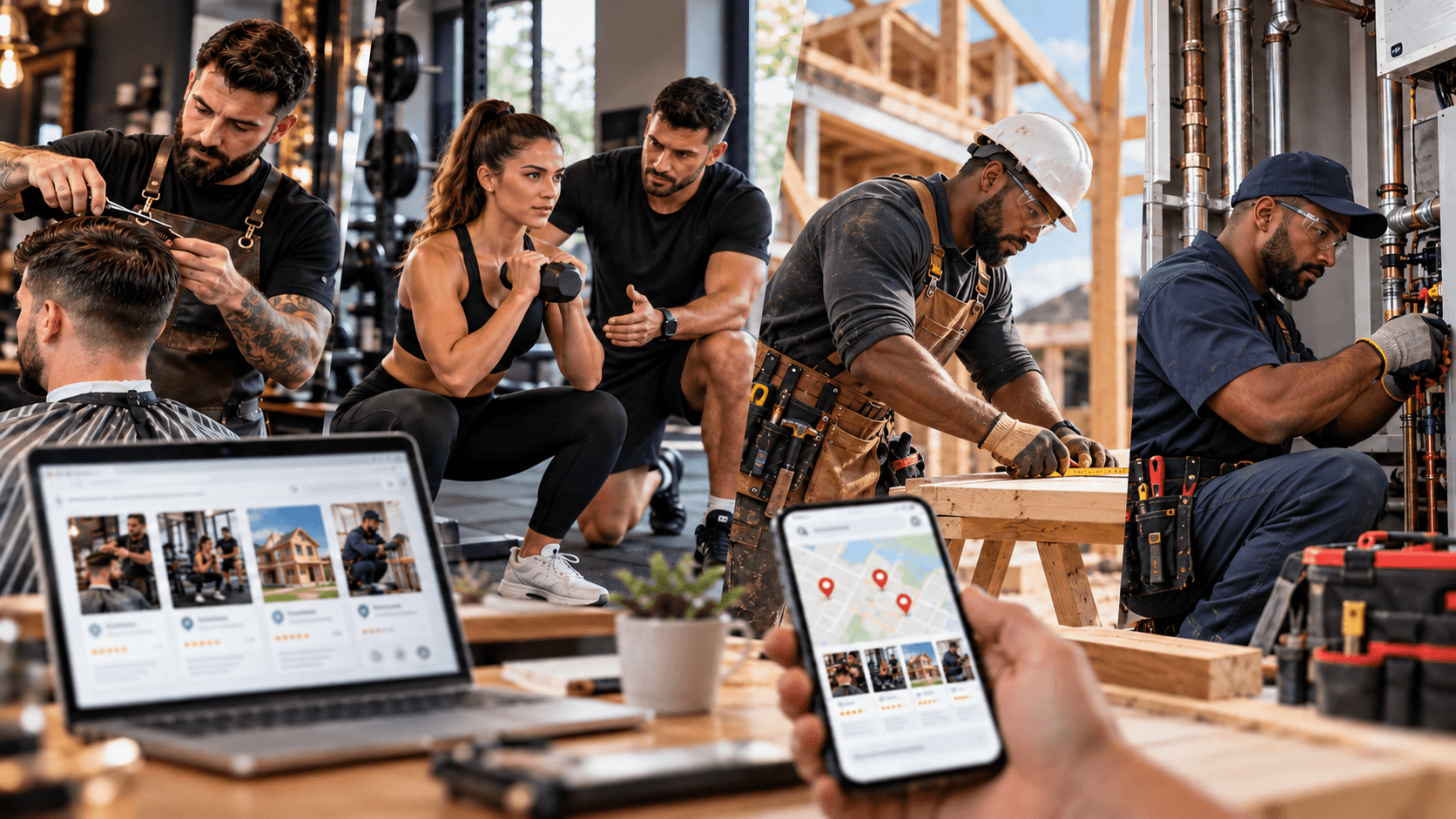
Service businesses grow through trust, proof, referrals, and local discovery. Here is how barbers, trainers, contractors, and skilled trades can market online without becoming full-time content creators.
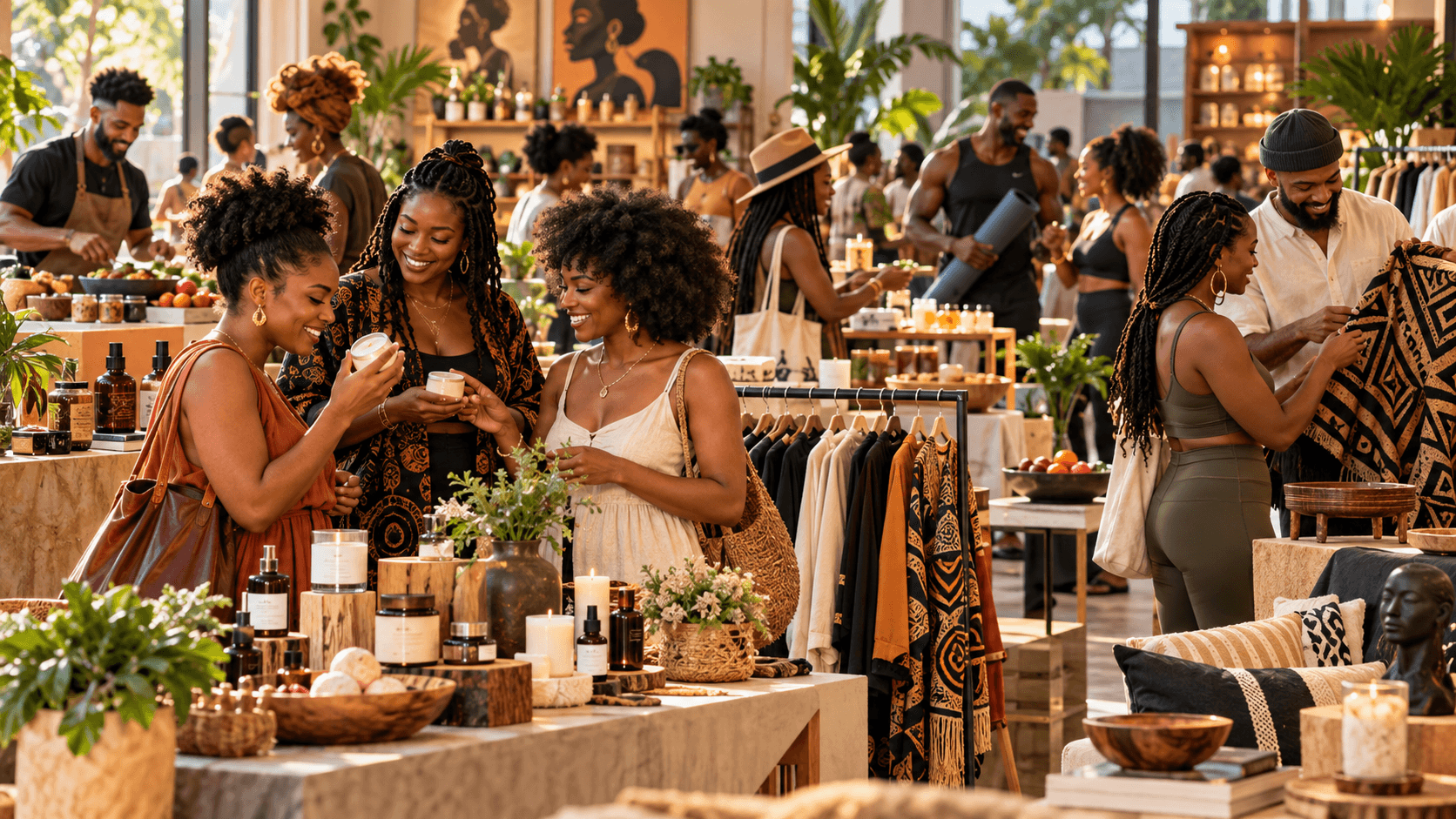
Black-owned fashion, beauty, home, fitness, food, and lifestyle brands can grow stronger communities by combining identity, product quality, storytelling, and customer participation.
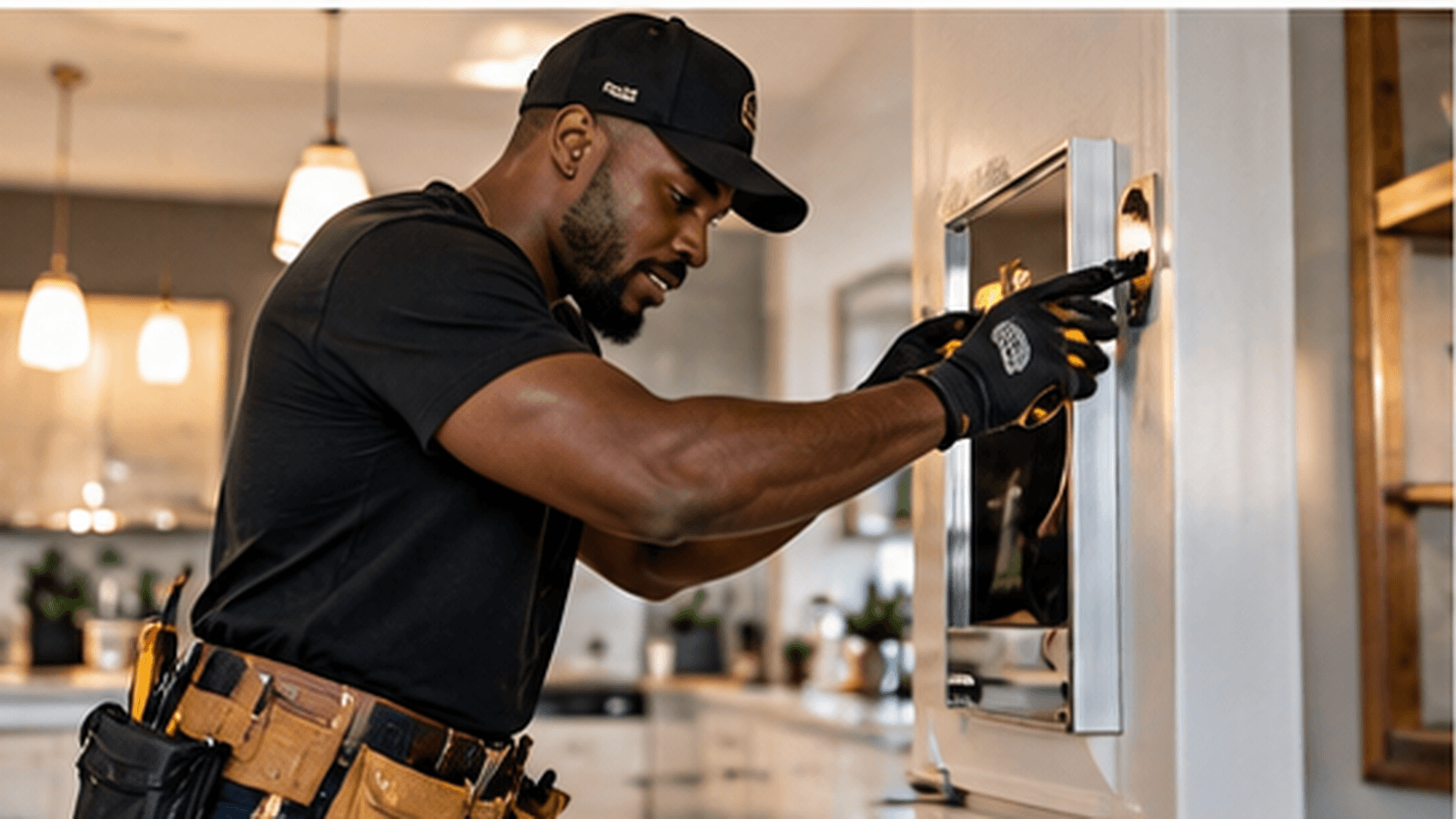
A practical local-service marketing guide for plumbers, stylists, cleaners, contractors, tutors, mechanics, consultants, and other businesses that need nearby customers rather than viral reach.

Business owners can use social media effectively without turning themselves into full-time personalities. Focus on credibility, discovery, education, community, and customer relationships.
TOPIC
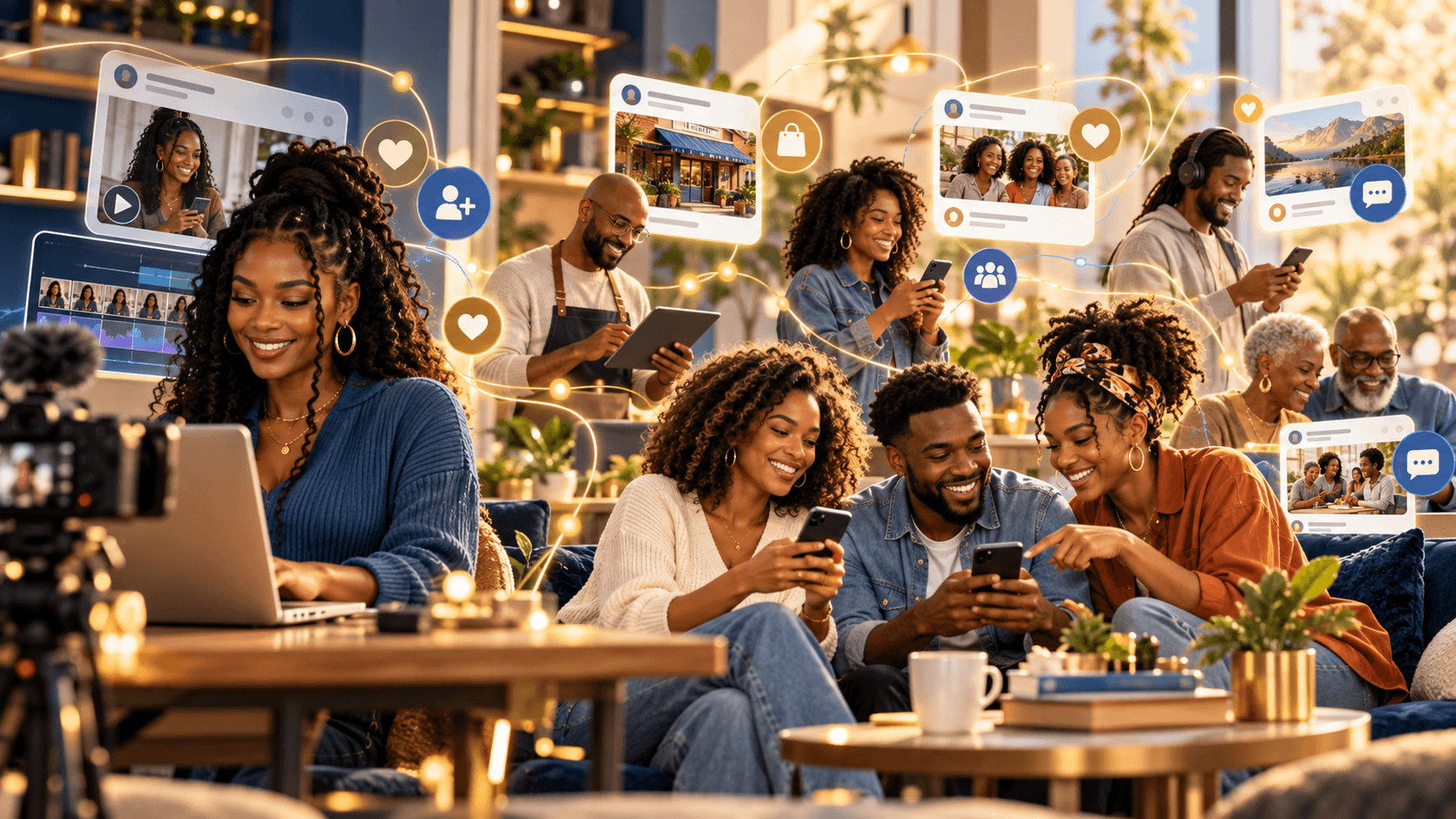
Why general social networks cannot be built only around creators: ordinary members, businesses, conversations, and community participation are part of the product too.

For a new social platform, should launch strategy prioritize creators or community first? The strongest answer depends on solving the empty-room problem without turning everyone else into spectators.
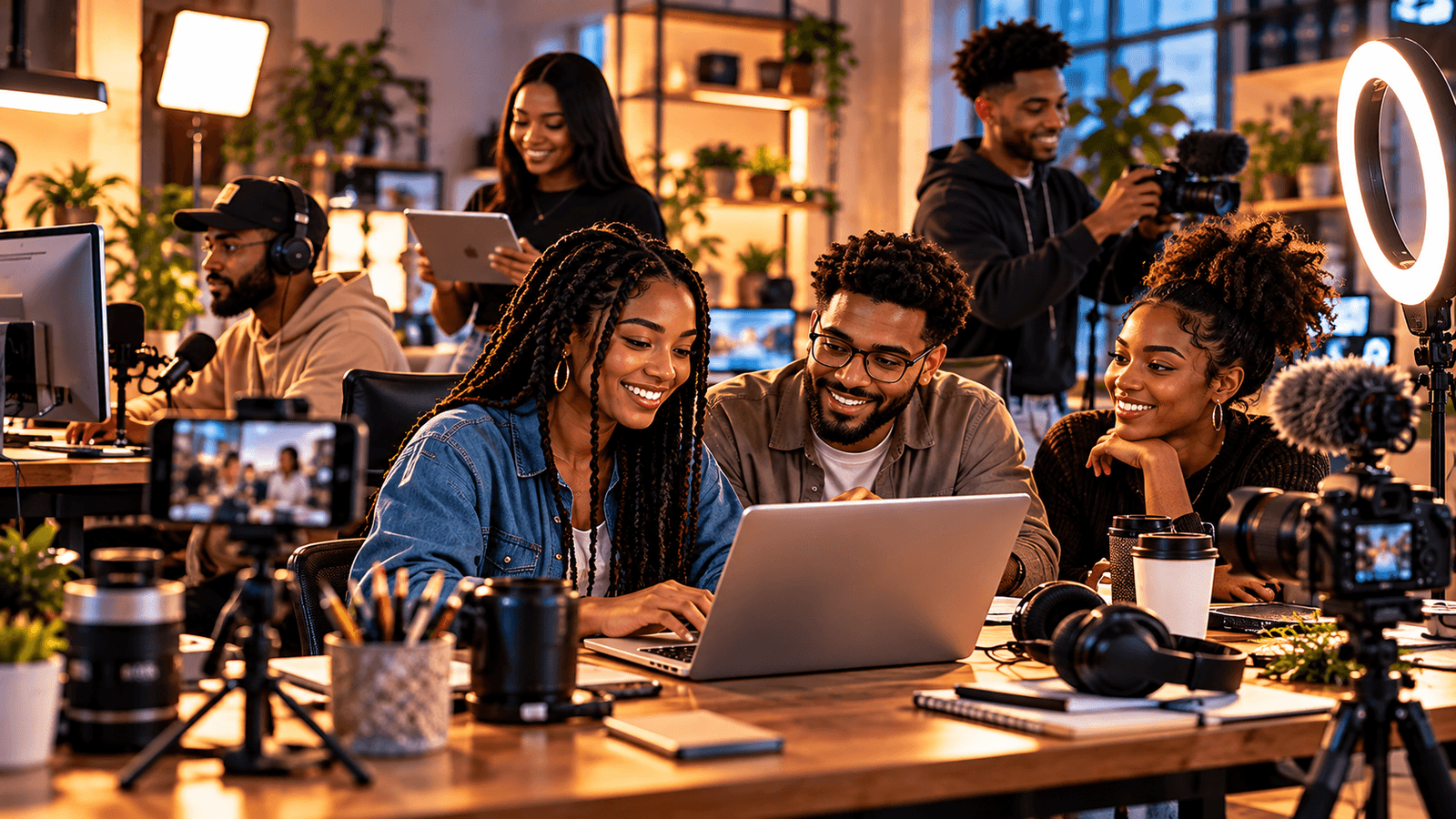
A format-by-format comparison for small creators choosing among large discovery platforms, long-form video, memberships, communities, and emerging social networks.

Female creators can grow sustainable audiences without making every post a performance for the algorithm. Community, consistency, trust, and useful content can build deeper momentum.

A starting-from-zero guide for male creators in sports, gaming, fitness, trades, business, commentary, music, comedy, and other interest-driven formats.

A strong personal brand does not require total access to your private life. You can be recognizable, trustworthy, and human while keeping meaningful boundaries.
TOPIC
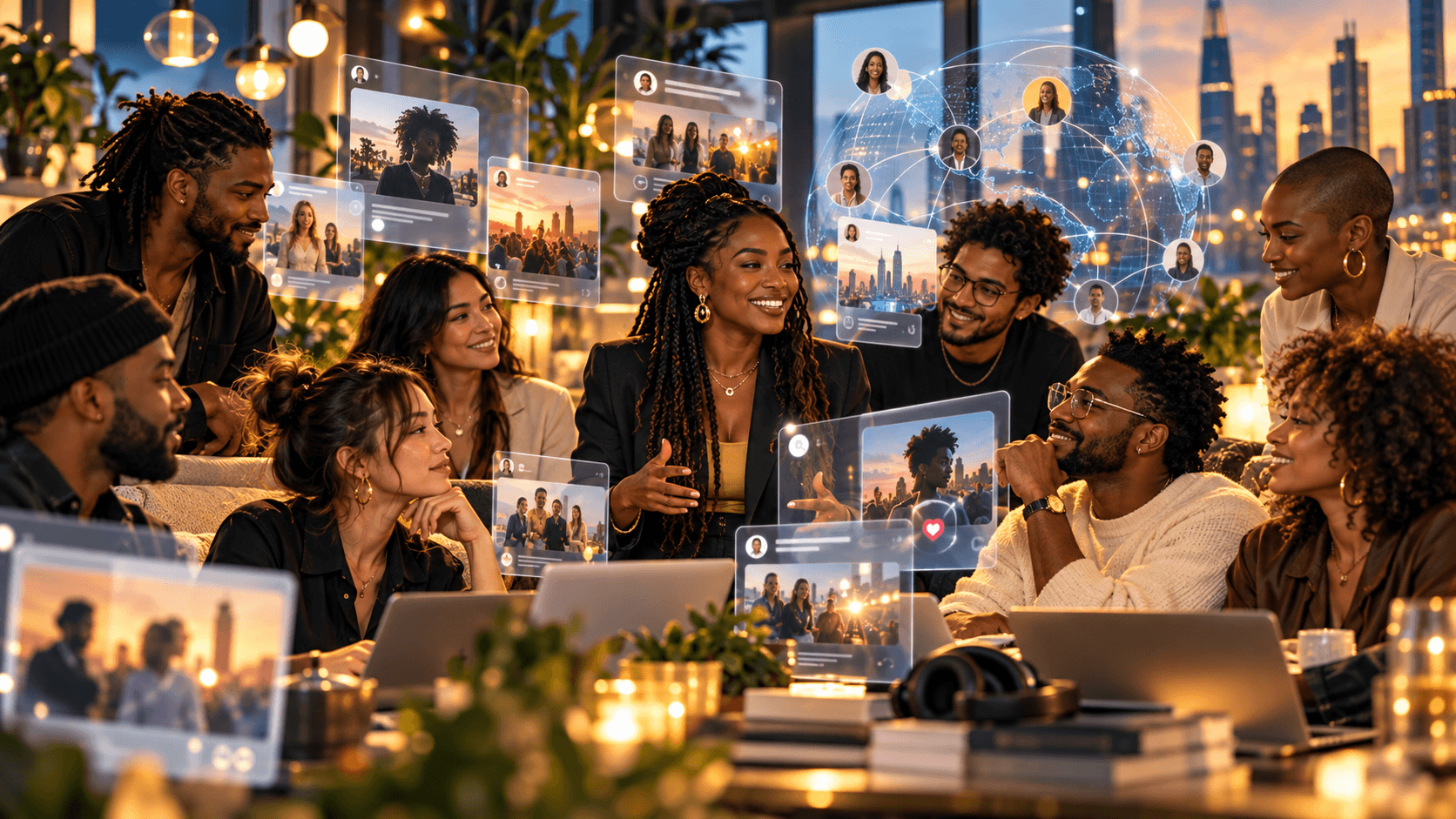
Platform ownership influences priorities, product design, moderation, business visibility, and culture. Here is why Black-owned digital infrastructure matters beyond representation.
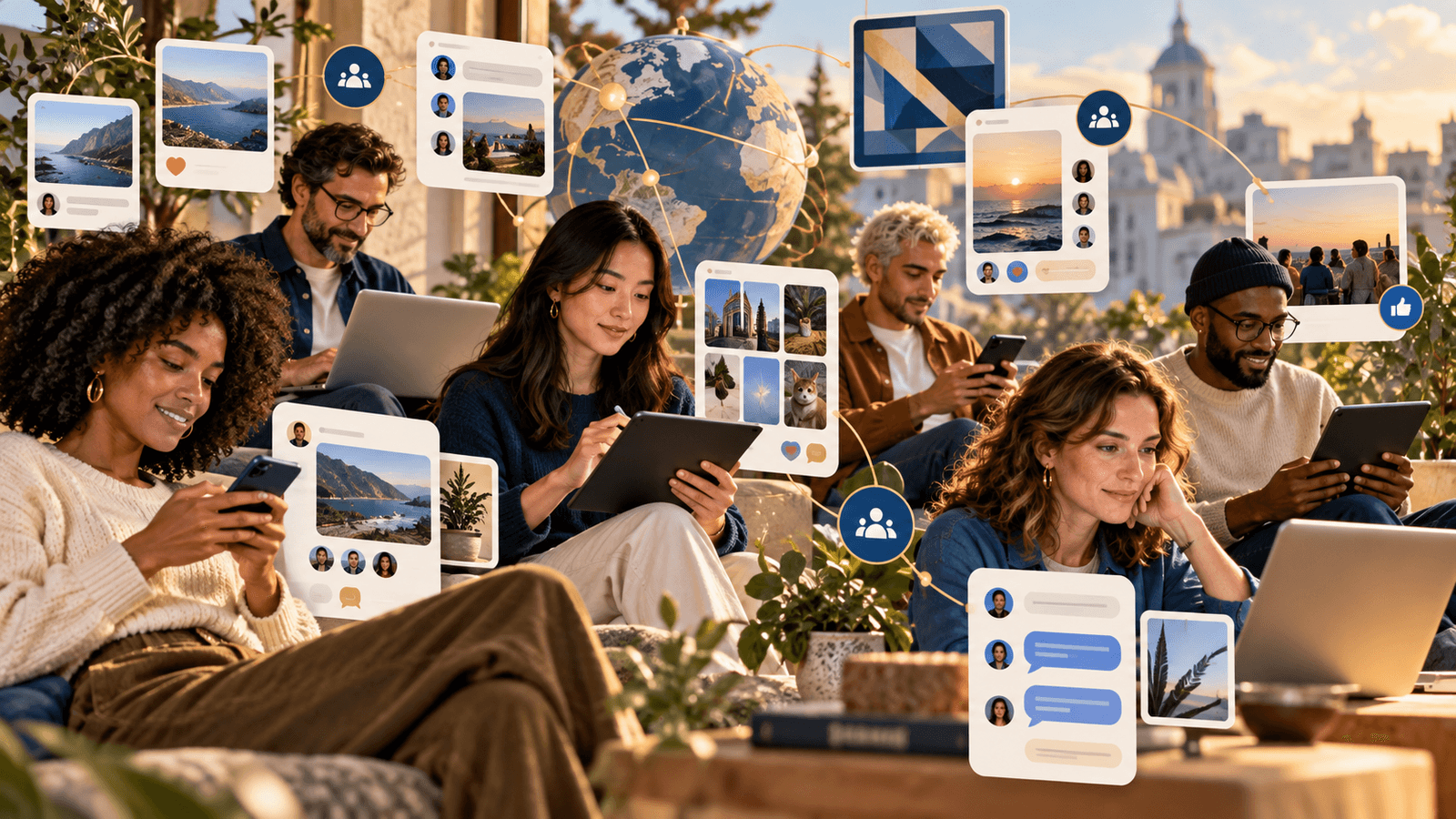
Black online culture is no longer concentrated on one platform. Communities are spreading across Threads, TikTok, Instagram, Bluesky, private groups, independent networks, and niche digital spaces.
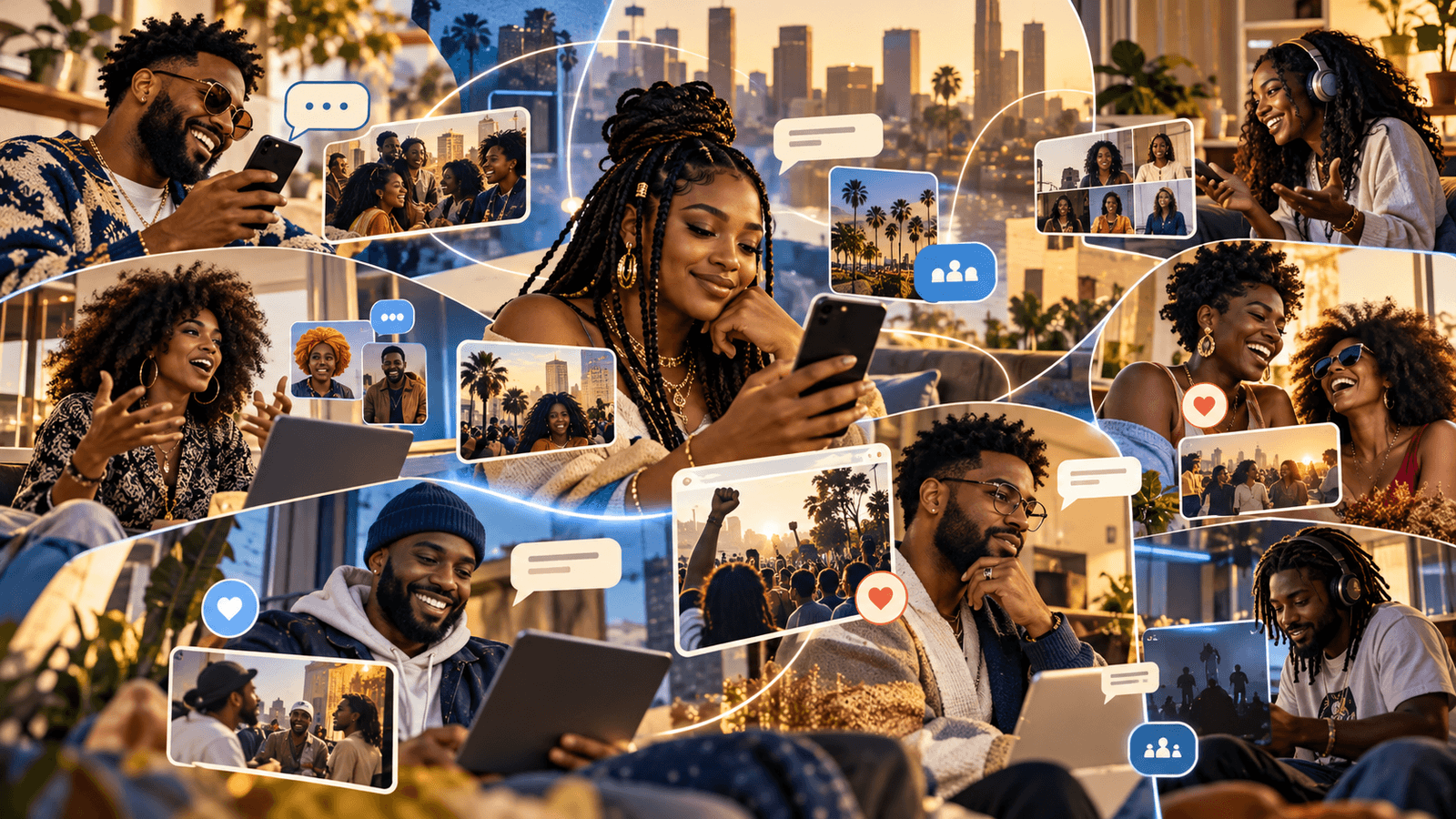
Black Twitter was never a formal product or membership list. It was a cultural network. As X changed, that network dispersed across multiple platforms rather than simply disappearing.
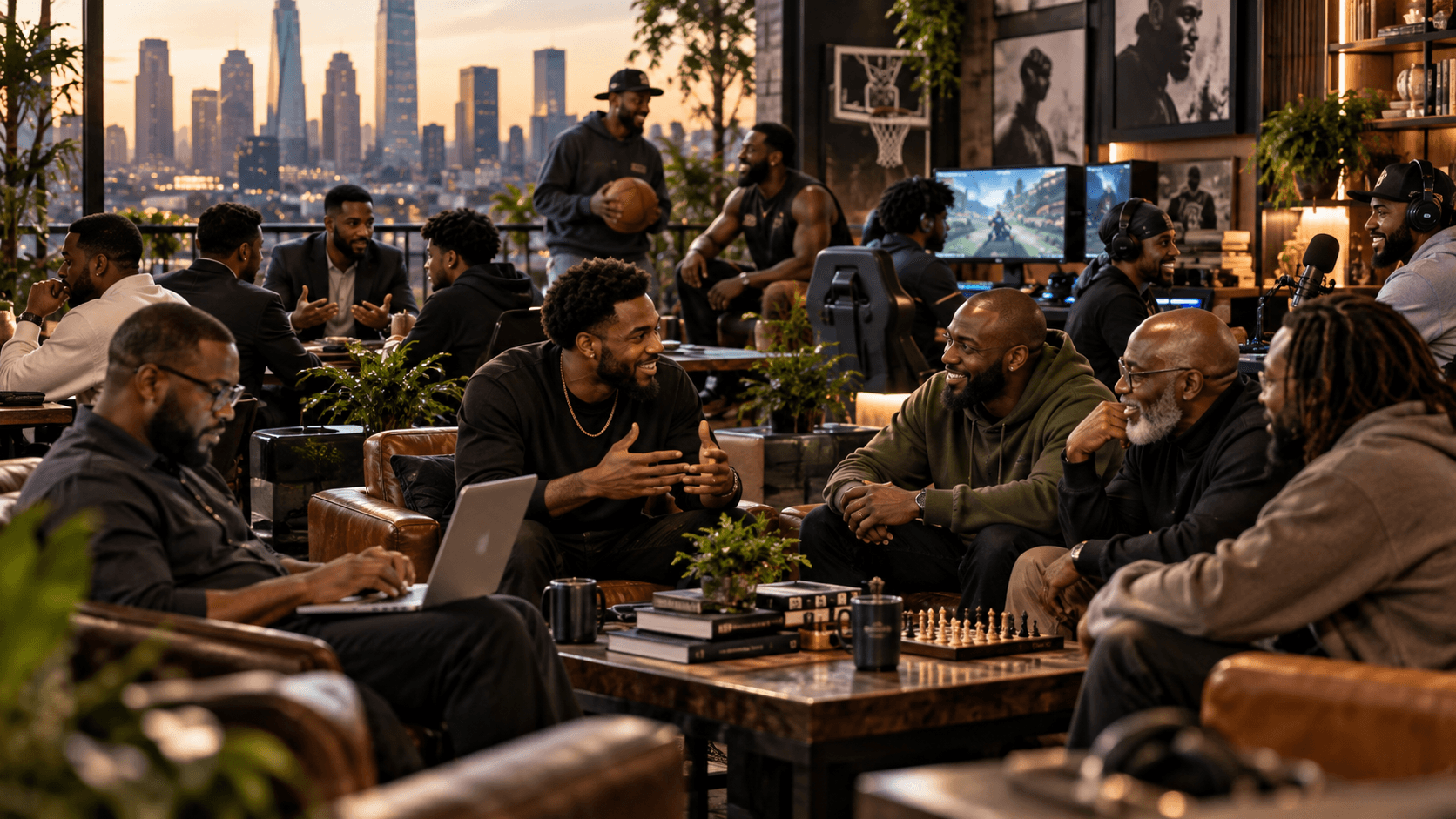
Black men are building digital communities around business, sports, gaming, culture, careers, faith, fitness, fatherhood, trades, and everyday conversation across many platforms.

Online communities can help Black professionals and entrepreneurs exchange referrals, knowledge, opportunities, vendor relationships, and practical support beyond traditional networking.
DISCOVER ECCOOZS
Explore ECCOOZS Social, a Black American-centered, community-first general social network where conversation, discovery, culture, business discovery, creator opportunity, and live audio come together.
Join ECCOOZS Early Access →
TOPIC
Social Media
Looking for a Facebook Alternative? What to Look for in a Social Platform
A practical guide to evaluating Facebook alternatives, from community quality and discovery to privacy, business tools, creator opportunity, and healthy conversation.
Why People Are Looking for New Social Media Platforms in 2026
From algorithm fatigue and clutter to community, discovery and trust, here are the reasons people are exploring new social media platforms in 2026.
Why Does Social Media Feel Less Social Now?
Social media was built around connection. So why do so many feeds now feel more like content machines than places for actual social interaction?
What Happened to Posting for Friends Instead of Algorithms?
Many users miss when posting online felt casual and personal. Here is how recommendation systems changed what people share, see, and expect from social media.
What Should a New Social Platform Offer in 2026?
A new social network needs more than a familiar feed. Users now expect strong conversation, useful discovery, trust, community, messaging, creator tools, and business value.
Why Are People Tired of Algorithmic Feeds?
Algorithmic feeds can help people discover new content, but many users are frustrated by losing control over what they see. Here is why feed fatigue is becoming a bigger social-media issue.
What Happened to Normal Social Media?
Social media used to feel more casual, personal, and relationship-driven. Here is why many users now feel that the experience has become more like media than social networking.
Best Facebook Alternatives in 2026: What to Consider Before You Switch
There is no single replacement for everything Facebook does. Compare the types of alternatives available in 2026 and decide which experience fits what you actually use Facebook for.
Best Alternatives to Threads in 2026
Threads is large and convenient, but users looking for different feed control, community, openness, or platform culture have several alternatives to consider.
Social Media Platforms That Aren’t Owned by Meta
Facebook, Instagram, Threads, and WhatsApp are all part of Meta. If you want independent or differently structured alternatives, here are the main categories to explore.