What Happened to Black Twitter?
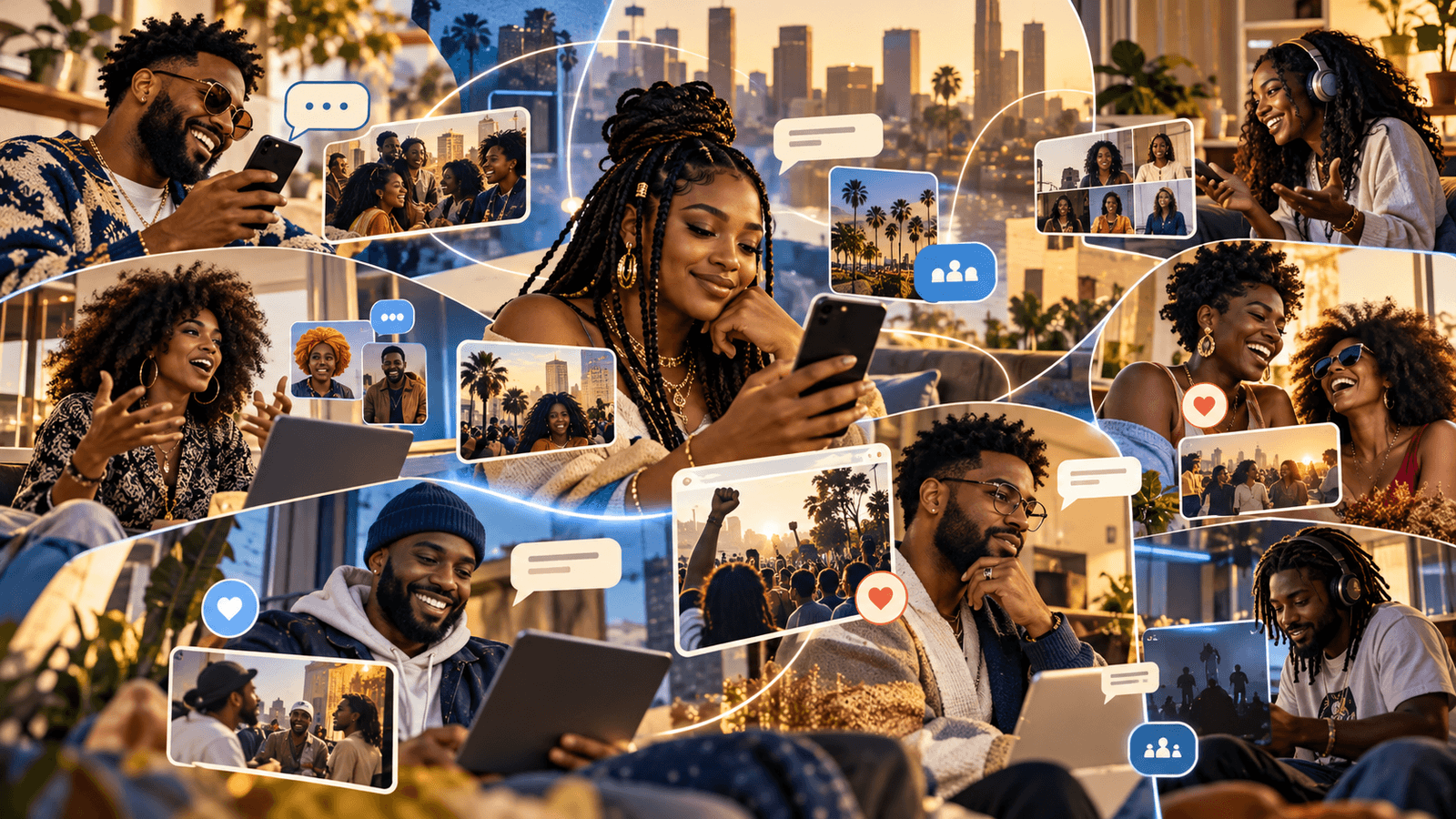
Black Twitter was never an official section of Twitter. It was a network of people, shared references, conversations, humor, activism, critique, and cultural influence that became visible because enough participants could find one another in the same public space. When Twitter changed, that community did not simply vanish. It scattered.
Black Twitter was a culture, not a feature
There was no Black Twitter sign-up button. The community emerged through relationships, hashtags, shared language, live reactions, quote tweets, and recurring cultural conversations.
Its influence came partly from concentration: journalists, celebrities, academics, organizers, creators, comedians, and ordinary users could collide in the same public feed.
Platform change disrupted that concentration
Changes to X's ownership, product design, moderation, verification, and recommendation systems encouraged many long-time users to reduce activity or move elsewhere.
Once a community disperses across several products, it becomes harder to reproduce the same shared public square.
Threads has become one of the strongest successors
Recent reporting has highlighted Threads as a major new home for Black text-based conversation, partly because Instagram's existing social graph made migration easy.
The platform does not recreate Black Twitter exactly, but many recognizable forms of cultural commentary, humor, organizing, and rapid communal response are thriving there.
No single platform may inherit the whole role
Bluesky, TikTok, Instagram, private communities, and emerging independent platforms each capture different parts of what Black Twitter provided.
The future may be distributed, with public conversation on one platform, video culture on another, and deeper community in smaller spaces.
The larger lesson is about digital ownership and community
Black Twitter showed how much cultural power a community can create on infrastructure it does not own. Its fragmentation also shows the vulnerability of depending on one company for a public cultural space.
That is one reason Black-owned and Black-centered digital platforms such as ECCOOZS matter: they create another place where community can be built intentionally rather than only inherited from an existing network.